
SK Hynix Launches $28B Nasdaq ADR Listing — Year's Second-Biggest IPO After SpaceX, Opens HBM Directly to US Buyers
TL;DR
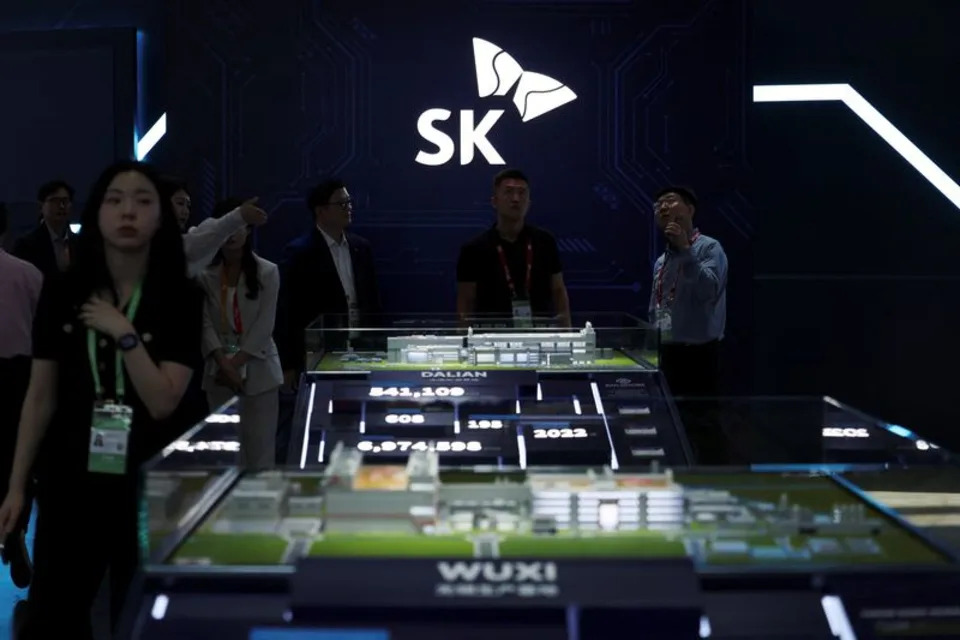
SK Hynix will list ADRs on Nasdaq on July 11, 2026 with a 17.79M-share offering worth ~$28B — the year's second-biggest IPO after SpaceX's $85.7B in June.
SK Hynix will list American Depositary Receipts on Nasdaq, issuing 17.79 million new shares to raise about $28 billion. Pricing is set for July 10, trading starts July 11. Ten ADRs equal one Korean common share — effectively a direct US ticker for buying HBM.
The scale is quantified. This is the second-biggest global equity offering of 2026, behind only SpaceX's $85.7 billion in June, and ahead of Saudi Aramco's $25.6 billion (2019) and Alibaba's ~$25 billion (2014). SK Hynix's Korean listing is up 273% year-to-date; it dipped 4% on July 6 to close at 2,327,000 won.
Proceeds go to two places: new fab capacity in Korea and additional ASML EUV scanners. Together those absorb the majority of the raise, funding HBM4 and 1c DRAM ramp plans slated for 2027–2028. SK Hynix is the primary HBM supplier for NVIDIA's H100 / H200 / B200 line and one of Google's TPU HBM sources; the order book is booked through 2027.
A real gate goes away. Roundhill Investments CEO Dave Mazza told Reuters: "SK Hynix has been one of the most important companies in the world that most U.S. institutions could not easily own." US pension funds, 401(k)s, and most mutual funds couldn't hold Korean common stock directly and had to proxy AI memory exposure through TSMC or Micron. Mazza's framing: "This removes an accessibility discount, not a quality discount."
Read alongside Samsung Foundry activating its allocation regime last week with 50 trillion won in backlog: the Korean memory duopoly is stepping into a seller's market simultaneously — one rationing capacity, the other rationing access to its equity.
Bet won: SK Hynix collateralizes HBM pricing power into $28B of 2028 capacity in one shot, and AI demand carries it straight through HBM4E. Bet lost: AI capex peaks in 2027, and the fabs coming online land into the same cyclical DRAM downcycle Korean memory always trips over.
via Reuters via TradingView / Yahoo Finance / The Star / Investing.com
The scale is quantified. This is the second-biggest global equity offering of 2026, behind only SpaceX's $85.7 billion in June, and ahead of Saudi Aramco's $25.6 billion (2019) and Alibaba's ~$25 billion (2014). SK Hynix's Korean listing is up 273% year-to-date; it dipped 4% on July 6 to close at 2,327,000 won.
Proceeds go to two places: new fab capacity in Korea and additional ASML EUV scanners. Together those absorb the majority of the raise, funding HBM4 and 1c DRAM ramp plans slated for 2027–2028. SK Hynix is the primary HBM supplier for NVIDIA's H100 / H200 / B200 line and one of Google's TPU HBM sources; the order book is booked through 2027.
A real gate goes away. Roundhill Investments CEO Dave Mazza told Reuters: "SK Hynix has been one of the most important companies in the world that most U.S. institutions could not easily own." US pension funds, 401(k)s, and most mutual funds couldn't hold Korean common stock directly and had to proxy AI memory exposure through TSMC or Micron. Mazza's framing: "This removes an accessibility discount, not a quality discount."
Read alongside Samsung Foundry activating its allocation regime last week with 50 trillion won in backlog: the Korean memory duopoly is stepping into a seller's market simultaneously — one rationing capacity, the other rationing access to its equity.
Bet won: SK Hynix collateralizes HBM pricing power into $28B of 2028 capacity in one shot, and AI demand carries it straight through HBM4E. Bet lost: AI capex peaks in 2027, and the fabs coming online land into the same cyclical DRAM downcycle Korean memory always trips over.
via Reuters via TradingView / Yahoo Finance / The Star / Investing.com