

Vision Air dies in September — Samsung shuts G-VR panel, Apple's spatial computing 1.0 folds in 3.5 years
TL;DR
Samsung Display will kill its G-VR OLEDoS panel by September; Apple's cheaper Vision Air dies before mass production as the team pivots to 2027 AI glasses.
Korea's The Elec reported on July 8 that Samsung Display will formally shut down its G-VR OLEDoS panel program by September. The line was custom-built for Apple's cheaper headset Vision Air. Bloomberg's Mark Gurman confirmed the same day that Apple pulled the plug in May.
G-VR was a glass-substrate micro-OLED targeting 1,600–1,700 PPI — exactly half of the current Vision Pro's 3,386 PPI, trading resolution for cost. Mass production was locked in for post-2028; the axe fell before pilot runs.
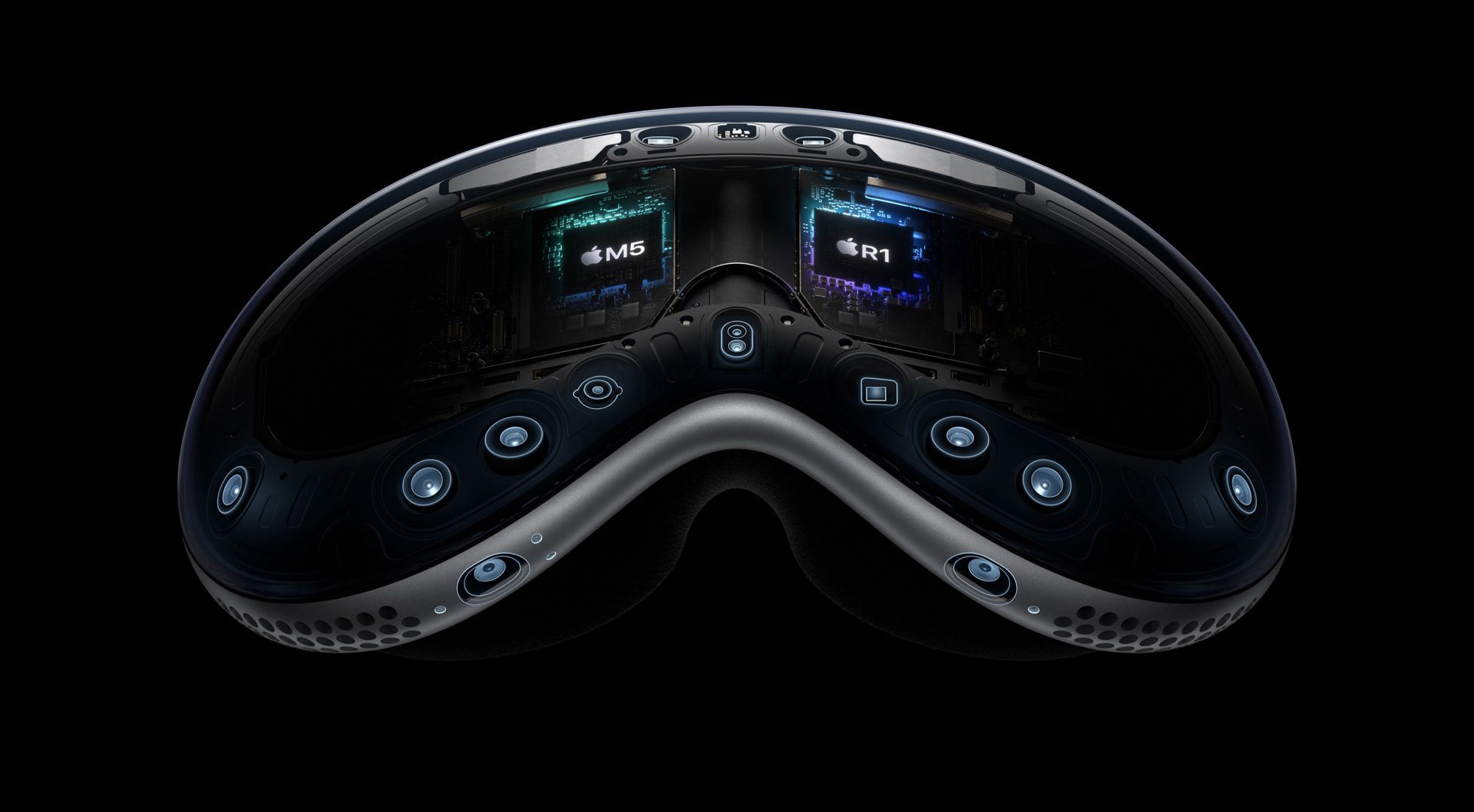
Vision Pro sales have never caught since the February 2024 launch. Priced near 30,000 RMB in China, a 600-gram head unit, ~2-hour battery, an app catalog that barely moved — Apple already cut production, pulled TV ads, and rolled the XR hardware team onto the AI-glasses track. Starting in July, Vision Pro list price climbed from $3,499 to $3,699 as the line coasts on inventory.
The strategic line: Apple wants to face Meta's Ray-Ban Meta head-on, with AI glasses targeting a 2027 debut. Samsung Display may not go down with the ship — Wccftech reports the panel maker plans to keep the glass-substrate high-density tech in house for its own AR glasses.
Win the bet, and Apple's 2027 AI glasses take the market-definer seat back from Ray-Ban Meta. Lose it, and the $3,499 Vision Pro plus a stillborn Vision Air is the most expensive exit ticket spatial computing 1.0 will ever hand out.
via The Elec via MacRumors / Sina Tech / Wccftech
G-VR was a glass-substrate micro-OLED targeting 1,600–1,700 PPI — exactly half of the current Vision Pro's 3,386 PPI, trading resolution for cost. Mass production was locked in for post-2028; the axe fell before pilot runs.
Vision Pro sales have never caught since the February 2024 launch. Priced near 30,000 RMB in China, a 600-gram head unit, ~2-hour battery, an app catalog that barely moved — Apple already cut production, pulled TV ads, and rolled the XR hardware team onto the AI-glasses track. Starting in July, Vision Pro list price climbed from $3,499 to $3,699 as the line coasts on inventory.
The strategic line: Apple wants to face Meta's Ray-Ban Meta head-on, with AI glasses targeting a 2027 debut. Samsung Display may not go down with the ship — Wccftech reports the panel maker plans to keep the glass-substrate high-density tech in house for its own AR glasses.
Win the bet, and Apple's 2027 AI glasses take the market-definer seat back from Ray-Ban Meta. Lose it, and the $3,499 Vision Pro plus a stillborn Vision Air is the most expensive exit ticket spatial computing 1.0 will ever hand out.
via The Elec via MacRumors / Sina Tech / Wccftech