

LAPD Pulls the Plug on Flock License Plate Readers — 138 Cameras Offline, ICE Data-Sharing at Center
TL;DR
LAPD suspends Flock Safety license plate readers, 138 pole cameras offline; concern over ICE data sharing.
The Los Angeles Police Department suspended Flock Safety's automated license plate reader system until "data, privacy, security, and sharing" concerns are resolved. LAPD's three-year contract with Flock expired in July, and renewal negotiations stalled on the same question — who owns the data, who can access it.
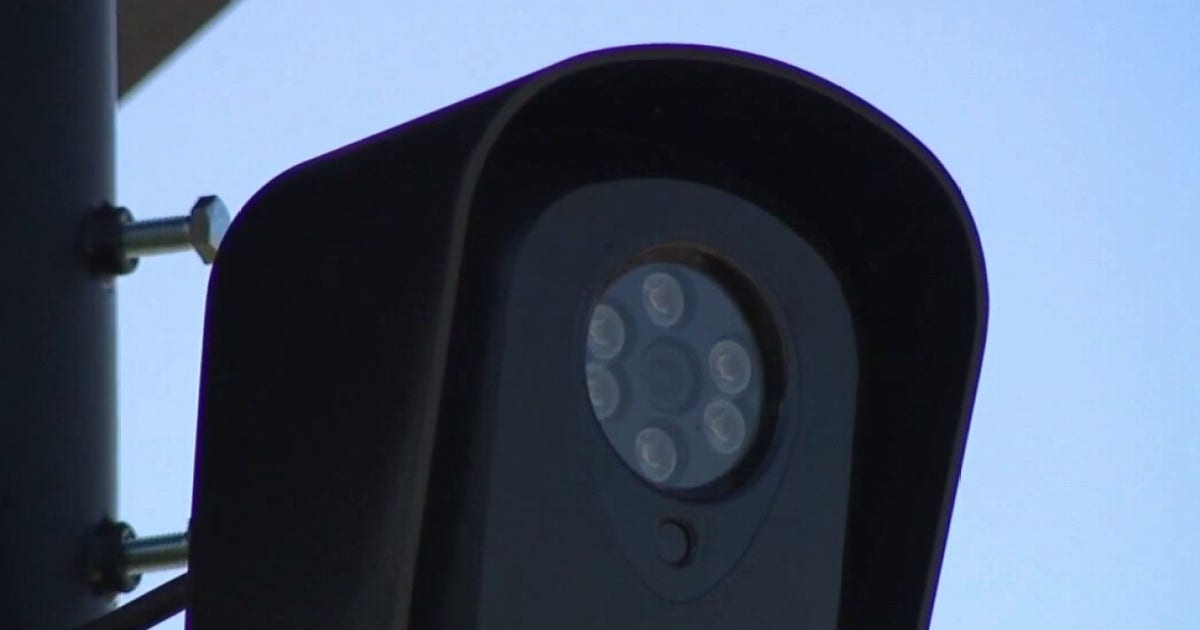
Deployment scale: 138 Flock Safety pole-mounted cameras across Los Angeles, covering major arteries and neighborhood entrances, helped police track stolen vehicles and cars registered to fugitives over the past three years. All go offline immediately.
The core dispute is ICE. Advocacy groups have long accused Flock of sharing license plate reader data with federal and state law enforcement, including US Immigration and Customs Enforcement (ICE). The Trump administration ramped up ICE immigration raids starting May, and LAPD internally worries its plate data becomes a federal pipeline for tracking undocumented immigrants — while LA's official position has consistently been "we do not cooperate with federal immigration enforcement."
LAPD's negotiation ask: if Flock shares data with non-compliant agencies again, they face civil penalties. This is the first time a major-city police department has demanded data-breach penalty clauses in a contract, and if Flock accepts, it effectively cuts its own business model — its core selling point is precisely "cross-city, cross-state data networking."
Flock publicly called the move "a surprise". But this isn't the first case — multiple cities in Illinois, Texas, Washington, and New York have already terminated or refused to renew Flock contracts, all citing the same set of reasons: privacy, data-sharing, civil liberties. LAPD is the largest municipal opt-out to date.
If it works, Flock accepts penalty clauses, wins back LAPD's 138 cameras and annual fees, business model gets a light tweak. If it doesn't, dominoes keep falling — other major cities follow, and Flock's urban network collapses to scattered neighborhood-level installations.
via Fox LA / Breitbart Tech
Deployment scale: 138 Flock Safety pole-mounted cameras across Los Angeles, covering major arteries and neighborhood entrances, helped police track stolen vehicles and cars registered to fugitives over the past three years. All go offline immediately.
The core dispute is ICE. Advocacy groups have long accused Flock of sharing license plate reader data with federal and state law enforcement, including US Immigration and Customs Enforcement (ICE). The Trump administration ramped up ICE immigration raids starting May, and LAPD internally worries its plate data becomes a federal pipeline for tracking undocumented immigrants — while LA's official position has consistently been "we do not cooperate with federal immigration enforcement."
LAPD's negotiation ask: if Flock shares data with non-compliant agencies again, they face civil penalties. This is the first time a major-city police department has demanded data-breach penalty clauses in a contract, and if Flock accepts, it effectively cuts its own business model — its core selling point is precisely "cross-city, cross-state data networking."
Flock publicly called the move "a surprise". But this isn't the first case — multiple cities in Illinois, Texas, Washington, and New York have already terminated or refused to renew Flock contracts, all citing the same set of reasons: privacy, data-sharing, civil liberties. LAPD is the largest municipal opt-out to date.
If it works, Flock accepts penalty clauses, wins back LAPD's 138 cameras and annual fees, business model gets a light tweak. If it doesn't, dominoes keep falling — other major cities follow, and Flock's urban network collapses to scattered neighborhood-level installations.
via Fox LA / Breitbart Tech