
Bessent: US Will Review Chinese Open-Source AI for IP Theft|"We Can Sanction", Bloomberg Calls Containment Broken
TL;DR
US Treasury Secretary Bessent says the US will scrutinize Chinese open-source AI for IP theft and may impose sanctions; Bloomberg calls it proof that containment doesn't work on open-weight models.
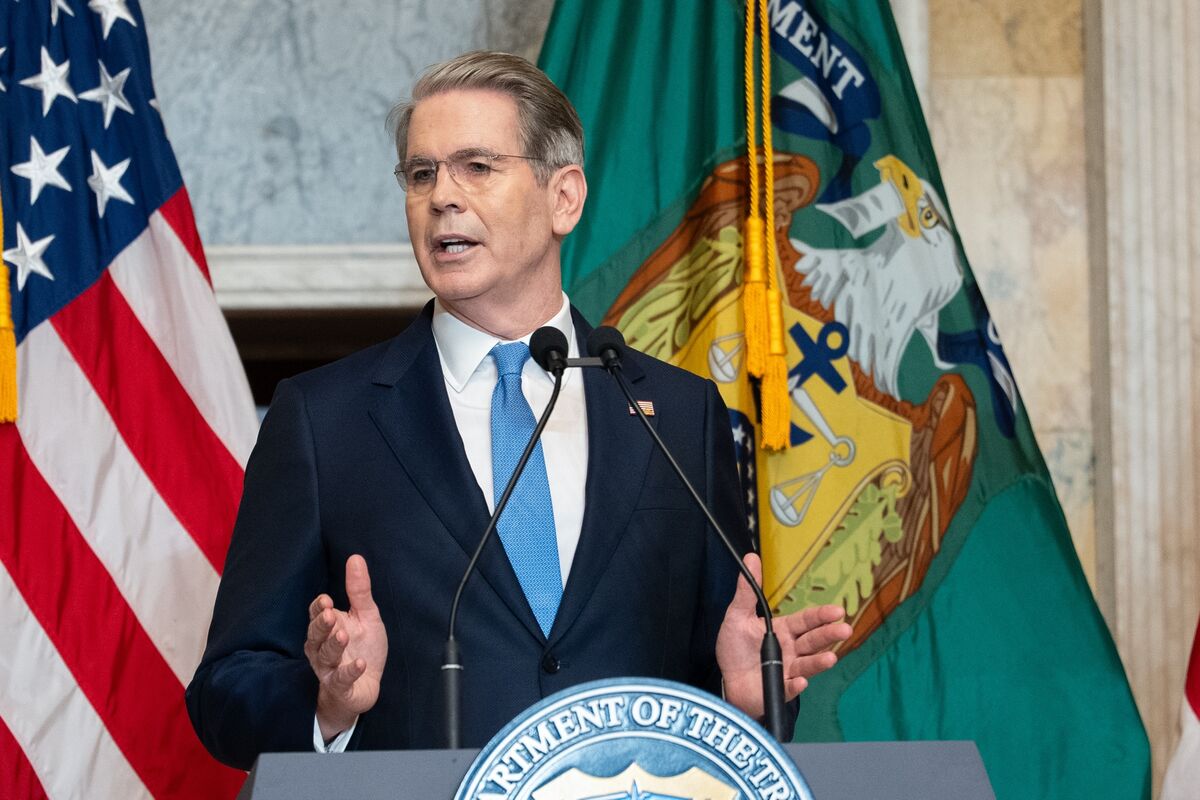
US Treasury Secretary Scott Bessent, speaking on Fox Business on July 21, said — the US will carefully scrutinize Chinese open-source AI models for signs of IP theft.
His words directly — "This administration supports open-source models. What we don't support is intellectual property theft. If we see, especially, overseas models stealing from our great companies, we have the ability to sanction them." Bessent added the government has found watermarks from US large language models in many Chinese AI models, calling this "unacceptable".
Action window — "We'll be reviewing this in the coming days or weeks". That's 2-3 months faster than typical Washington policy cadence — a timing grab before the September US-China AI safety talks (see #398).
Bloomberg's same-day analysis is sharper — the headline reads "China's AI-for-all offensive defies US containment playbook". Core argument — Chinese EVs can be tariffed, Huawei 5G kit can be banned, but open-weight AI models can be downloaded, modified, and run locally the moment they release — traditional tariff tools don't work.
US Trade Representative Greer echoed — "We're watching very closely how China is promoting its AI development." This is USTR + Treasury + Commerce coordinating in the same week, signalling sanction discretion is being aligned.
The legal difficulty is whether watermarks constitute theft — large models trained on massive public web text that included screenshots of OpenAI/Anthropic responses, models unconsciously absorbing target companies' style. This isn't classic theft under copyright law — new legislation or executive order needed to redefine.
Sanction tools may include — SDN listing (Kimi, DeepSeek parent companies), banning US firms from using Chinese AI (Microsoft evaluating Kimi K3 for Copilot directly affected), restricting Chinese models on HF and GitHub.
via Bloomberg (Bessent) / Bloomberg (analysis)
His words directly — "This administration supports open-source models. What we don't support is intellectual property theft. If we see, especially, overseas models stealing from our great companies, we have the ability to sanction them." Bessent added the government has found watermarks from US large language models in many Chinese AI models, calling this "unacceptable".
Action window — "We'll be reviewing this in the coming days or weeks". That's 2-3 months faster than typical Washington policy cadence — a timing grab before the September US-China AI safety talks (see #398).
Bloomberg's same-day analysis is sharper — the headline reads "China's AI-for-all offensive defies US containment playbook". Core argument — Chinese EVs can be tariffed, Huawei 5G kit can be banned, but open-weight AI models can be downloaded, modified, and run locally the moment they release — traditional tariff tools don't work.
US Trade Representative Greer echoed — "We're watching very closely how China is promoting its AI development." This is USTR + Treasury + Commerce coordinating in the same week, signalling sanction discretion is being aligned.
The legal difficulty is whether watermarks constitute theft — large models trained on massive public web text that included screenshots of OpenAI/Anthropic responses, models unconsciously absorbing target companies' style. This isn't classic theft under copyright law — new legislation or executive order needed to redefine.
Sanction tools may include — SDN listing (Kimi, DeepSeek parent companies), banning US firms from using Chinese AI (Microsoft evaluating Kimi K3 for Copilot directly affected), restricting Chinese models on HF and GitHub.
via Bloomberg (Bessent) / Bloomberg (analysis)