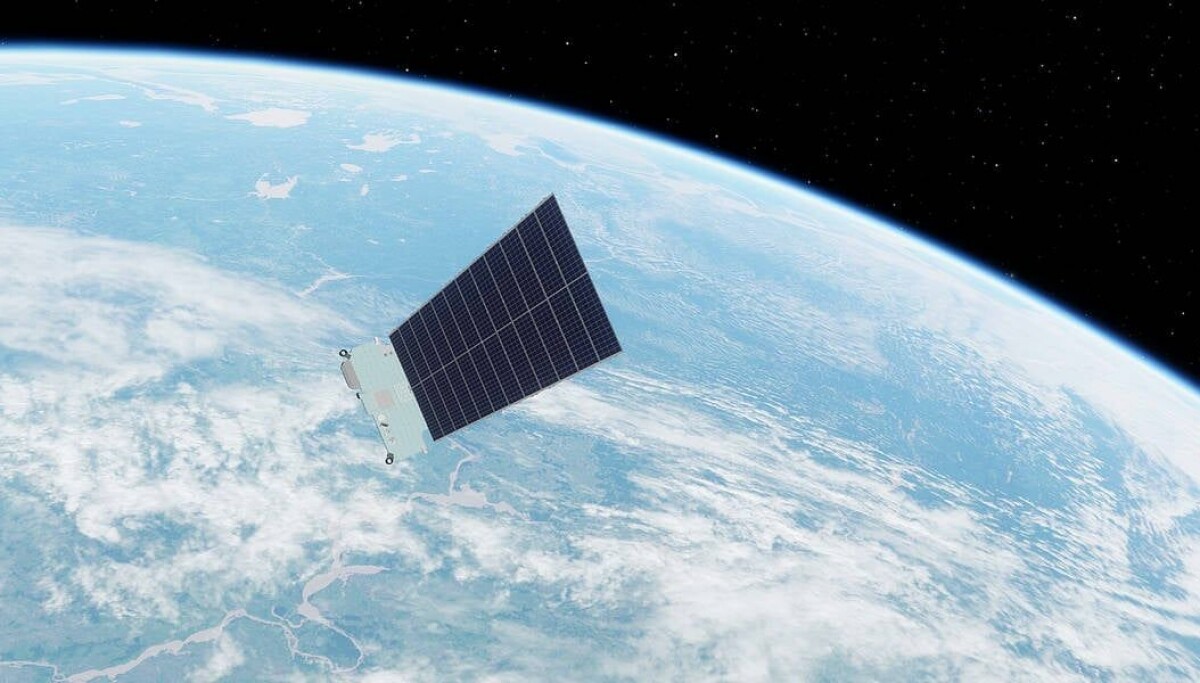
Starlink V3: the 100× isn't marketing — it's two 10×s multiplied
TL;DR
Musk's math on Starlink V3: 10× bandwidth per satellite, 10× more satellites, multiplies to 100×. Orbit drops from 550km to 350km, halving minimum latency.
Musk laid out the math on X: V3's per-satellite bandwidth exceeds V2 by 10×, and the constellation deployment rate also exceeds V2 by 10×. Multiply: total usable bandwidth scales 100×+. Orbit drops from 550km to 350km, cutting minimum latency in half. Light speed in space is 300km/ms; one-way physics latency drops below 2.5ms; round-trip under 5ms — beats most wired ISP's measured ping.
Specs: V3 per satellite — downlink over 1 Tbps, uplink over 200 Gbps. V2 Mini downlink: ~96 Gbps. Each Starship launch carries 100 V3 satellites, adding 60 Tbps of constellation capacity per flight. Falcon 9 carrying V2 added 3 Tbps. 20× efficiency per launch.
Why now: Musk said this during SpaceX IPO roadshow conversation with JPMorgan CEO Jamie Dimon. His line: «AI and robotics' future will need vastly more bandwidth than today.» This is for investors, not a tech keynote.
V3 deployment starts in the second half of this year, the full constellation upgrade takes dozens of launches, the effect won't materialize overnight. But Starlink subscribers just crossed 12M; Amazon Kuiper just entered Australia. Announcing 100× now reads as competitive positioning.
via TechSpot
Specs: V3 per satellite — downlink over 1 Tbps, uplink over 200 Gbps. V2 Mini downlink: ~96 Gbps. Each Starship launch carries 100 V3 satellites, adding 60 Tbps of constellation capacity per flight. Falcon 9 carrying V2 added 3 Tbps. 20× efficiency per launch.
Why now: Musk said this during SpaceX IPO roadshow conversation with JPMorgan CEO Jamie Dimon. His line: «AI and robotics' future will need vastly more bandwidth than today.» This is for investors, not a tech keynote.
V3 deployment starts in the second half of this year, the full constellation upgrade takes dozens of launches, the effect won't materialize overnight. But Starlink subscribers just crossed 12M; Amazon Kuiper just entered Australia. Announcing 100× now reads as competitive positioning.
via TechSpot