Meituan reportedly paid for rival's dirt — ¥2,000 per case, Taobao Shangou «shocked and furious»
TL;DR
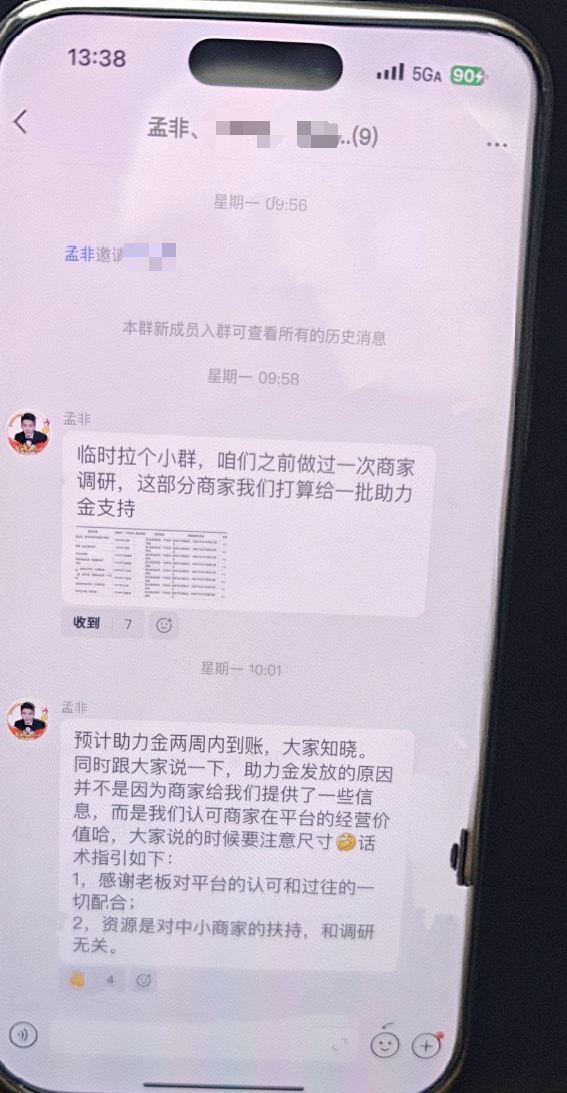
Shanghai Securities News reports Meituan paid restaurants ¥2,000 per case for negative material on rival Taobao Shangou. Taobao Shangou says it's «shocked and furious».
Shanghai Securities News reported on June 18 that Meituan in late 2025, under the guise of «research project», directed Beijing-area field reps to buy negative case material against rival Taobao Shangou from restaurants in cash, at ¥2,000+ per incident. Taobao Shangou's official response same day: «shocked and furious».
The regulatory timing is the sharpest part. Late 2025 was the window for market regulators cracking down on food-delivery «low-price race-to-bottom». Platforms were expected to cool things down. Meituan picked the other path — packaging rivals' price-war mistakes into restaurant-witness affidavits while ostensibly cooperating with regulators.
Evidence chain is concrete down to the bank slip. A Chaoyang restaurant owner confirmed to SSN that he received two transfers of ¥2,000 each (¥4,000 total) for screenshots of Taobao Shangou's unauthorized price changes. A manager who participated in the «research project» also received ¥2,000. Field rep instructions, restaurant bank records, and the actual «evidence samples» all match.
The trigger is the early-2026 Beijing «happiness dumplings ultra-low-price incident»: 18-yuan handmade dumplings pulled into a promotion, the restaurant netted ¥1.25 per order, becoming the poster case for delivery price-war excess. Meituan's «paid solicitation» pipeline reverse-engineers that pattern — turning losses competitors caused merchants into ammunition for regulators and media.
Taobao Shangou's counter angle is prepped: their statement points at «Sichuan police's recent bust of organized fake-info ops targeting Taobao Shangou», linking «paid solicitation» to organized rumor-mongering and pushing it back to regulators.
Industry signal: China's delivery three-way war is entering an information-war phase. Subsidies are migrating from merchants and couriers to «PR ammunition stockpiles». Watch whether SAMR's antitrust law gets extended to cover «paid solicitation of competitor negatives» — once codified, every platform company in China feels the heat.
via Shanghai Securities News
The regulatory timing is the sharpest part. Late 2025 was the window for market regulators cracking down on food-delivery «low-price race-to-bottom». Platforms were expected to cool things down. Meituan picked the other path — packaging rivals' price-war mistakes into restaurant-witness affidavits while ostensibly cooperating with regulators.
Evidence chain is concrete down to the bank slip. A Chaoyang restaurant owner confirmed to SSN that he received two transfers of ¥2,000 each (¥4,000 total) for screenshots of Taobao Shangou's unauthorized price changes. A manager who participated in the «research project» also received ¥2,000. Field rep instructions, restaurant bank records, and the actual «evidence samples» all match.
The trigger is the early-2026 Beijing «happiness dumplings ultra-low-price incident»: 18-yuan handmade dumplings pulled into a promotion, the restaurant netted ¥1.25 per order, becoming the poster case for delivery price-war excess. Meituan's «paid solicitation» pipeline reverse-engineers that pattern — turning losses competitors caused merchants into ammunition for regulators and media.
Taobao Shangou's counter angle is prepped: their statement points at «Sichuan police's recent bust of organized fake-info ops targeting Taobao Shangou», linking «paid solicitation» to organized rumor-mongering and pushing it back to regulators.
Industry signal: China's delivery three-way war is entering an information-war phase. Subsidies are migrating from merchants and couriers to «PR ammunition stockpiles». Watch whether SAMR's antitrust law gets extended to cover «paid solicitation of competitor negatives» — once codified, every platform company in China feels the heat.
via Shanghai Securities News