AI cybersecurity arms race — Anthropic Mythos vs OpenAI Daybreak
TL;DR
Within six weeks, both Anthropic (Project Glasswing + Claude Mythos) and OpenAI (Daybreak) entered enterprise cybersecurity. Mozilla used Mythos to fix 271 bugs in Firefox.
Within six weeks, both AI giants entered enterprise cybersecurity. Not coincidence — signal.
Anthropic first: Project Glasswing + Claude Mythos. April: Anthropic released Project Glasswing, core is Claude Mythos Preview — an AI system that autonomously identifies software vulnerabilities at scale. Mythos isn't public for sale; only privately accessible to large institutions including AWS, Apple, Microsoft, Google, NVIDIA, Cisco for testing. Real-world impact already documented: Mozilla disclosed Mythos helped patch 271 vulnerabilities in the latest Firefox.
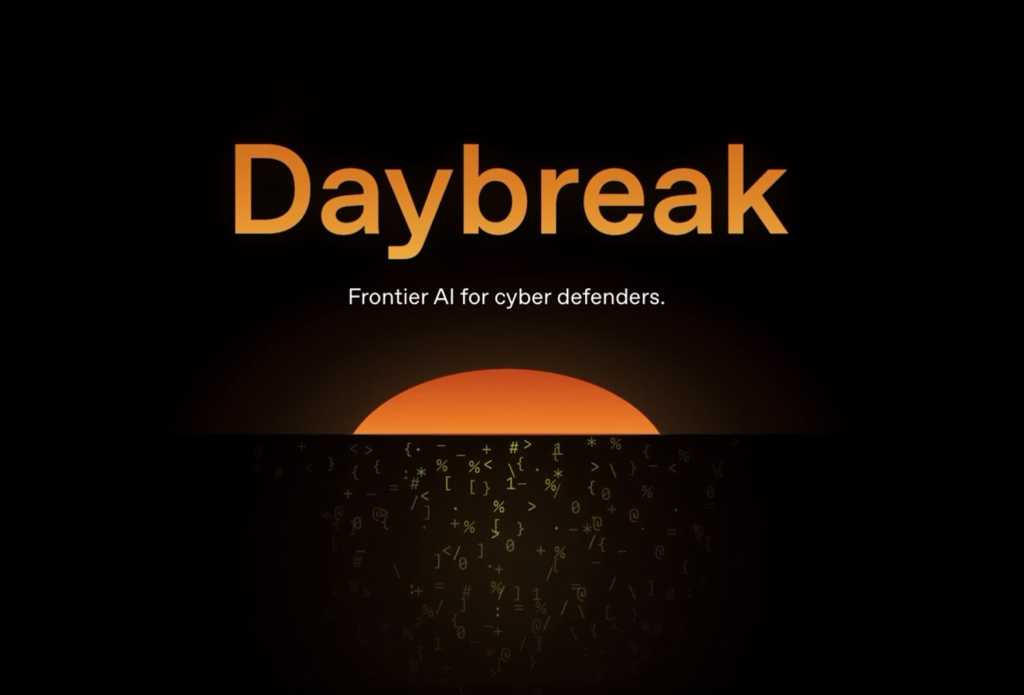
OpenAI follows: Daybreak. OpenAI CEO Sam Altman: «AI in cybersecurity is already strong, and is about to be incredibly strong. We want to start working with as many companies as possible to help them continuously secure themselves.» Daybreak has three model tiers: GPT-5.5 for general use; GPT-5.5 Trusted Access for Cyber for secure code review, vulnerability triage, malware analysis; GPT-5.5-Cyber as top tier, for authorized red team and penetration testing. Partners include Cloudflare, Cisco, CrowdStrike, Palo Alto Networks, Oracle, Akamai.
Fundamental difference. Anthropic restricts Mythos access severely on security and national security grounds. OpenAI's Daybreak takes a more open but still tiered approach to let more enterprises access.
Why this is huge: these capabilities aren't deliberate designs — they're side-effects of improving model general-reasoning capability. For security leaders, the AI-driven vulnerability discovery era has arrived, used by both defenders and attackers simultaneously.
via CSO Online
Anthropic first: Project Glasswing + Claude Mythos. April: Anthropic released Project Glasswing, core is Claude Mythos Preview — an AI system that autonomously identifies software vulnerabilities at scale. Mythos isn't public for sale; only privately accessible to large institutions including AWS, Apple, Microsoft, Google, NVIDIA, Cisco for testing. Real-world impact already documented: Mozilla disclosed Mythos helped patch 271 vulnerabilities in the latest Firefox.
OpenAI follows: Daybreak. OpenAI CEO Sam Altman: «AI in cybersecurity is already strong, and is about to be incredibly strong. We want to start working with as many companies as possible to help them continuously secure themselves.» Daybreak has three model tiers: GPT-5.5 for general use; GPT-5.5 Trusted Access for Cyber for secure code review, vulnerability triage, malware analysis; GPT-5.5-Cyber as top tier, for authorized red team and penetration testing. Partners include Cloudflare, Cisco, CrowdStrike, Palo Alto Networks, Oracle, Akamai.
Fundamental difference. Anthropic restricts Mythos access severely on security and national security grounds. OpenAI's Daybreak takes a more open but still tiered approach to let more enterprises access.
Why this is huge: these capabilities aren't deliberate designs — they're side-effects of improving model general-reasoning capability. For security leaders, the AI-driven vulnerability discovery era has arrived, used by both defenders and attackers simultaneously.
via CSO Online